
Ashwini Hospital
- Our Blogs
Research Study
Endoscopic Management of Gastrointestinal Bleeding at Ashwini Hospital
Introduction
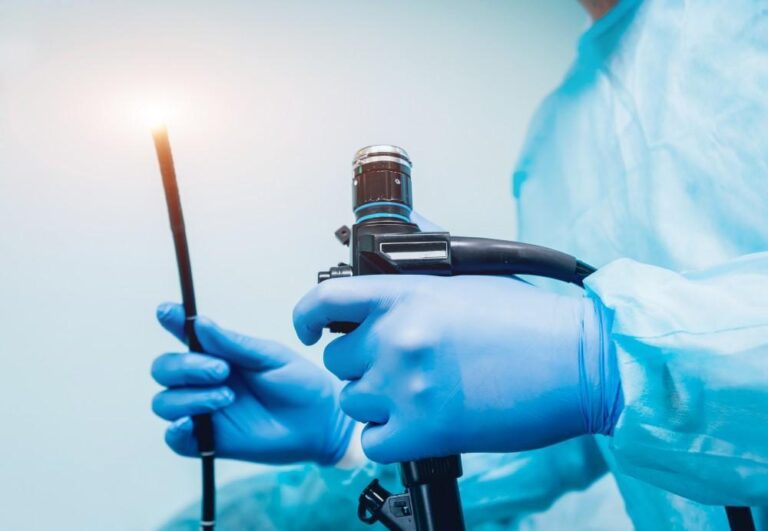
Gastrointestinal (GI) bleeding is a potentially life-threatening condition requiring prompt diagnosis and intervention. This research study focuses on the use of endoscopy as a primary diagnostic and therapeutic tool in managing GI bleeding at Ashwini Hospital, highlighting the success rate and patient outcomes.
Author: Dr. Vijaya K
October 5, 2024
Case Description
A 58-year-old male patient presented to Ashwini Hospital with complaints of severe abdominal pain, vomiting blood (hematemesis), and black tarry stools (melena) — all signs indicative of an upper GI bleed. He had a history of chronic nonsteroidal anti-inflammatory drug (NSAID) use for osteoarthritis and was admitted to the intensive care unit for further evaluation.
Immediate laboratory results revealed anemia with a hemoglobin level of 6.5 g/dL and a drop in blood pressure, suggesting active bleeding. The gastroenterology team initiated rapid fluid resuscitation and blood transfusions while preparing for an emergency upper GI endoscopy.
Management Approach
The patient underwent upper endoscopy, which revealed a large peptic ulcer with an actively bleeding vessel in the stomach. Using advanced endoscopic techniques, the team applied a combination of epinephrine injection and thermal coagulation to stop the bleeding. After the procedure, the patient was monitored in the ICU for 24 hours with no further signs of bleeding.
The gastroenterologist also initiated proton pump inhibitor (PPI) therapy to promote ulcer healing and prevent recurrence. The patient was educated on the risks of NSAID overuse and was referred to a pain management specialist for alternative treatments for his osteoarthritis.
Outcome
The patient’s condition stabilized within 48 hours, and he was discharged on the fifth day with a follow-up plan. A repeat endoscopy conducted six weeks later showed complete ulcer healing. The patient reported no further symptoms of GI bleeding and made lifestyle changes to avoid NSAID overuse, as advised by the gastroenterology team.
Discussion
This study demonstrates the effectiveness of endoscopy as both a diagnostic and therapeutic intervention for GI bleeding. At Ashwini Hospital, the quick response and use of advanced endoscopic techniques were pivotal in stabilizing the patient and preventing further complications. The combination of endoscopic hemostasis and medical management allowed for a quick recovery and minimized the risk of recurrence.
Conclusion
Endoscopic intervention is a highly effective method for managing upper gastrointestinal bleeding, offering both diagnostic precision and therapeutic solutions in a single procedure. Ashwini Hospital’s use of state-of-the-art endoscopic technology ensures that patients with GI bleeding receive prompt, life-saving care, reducing both mortality rates and recovery times.
